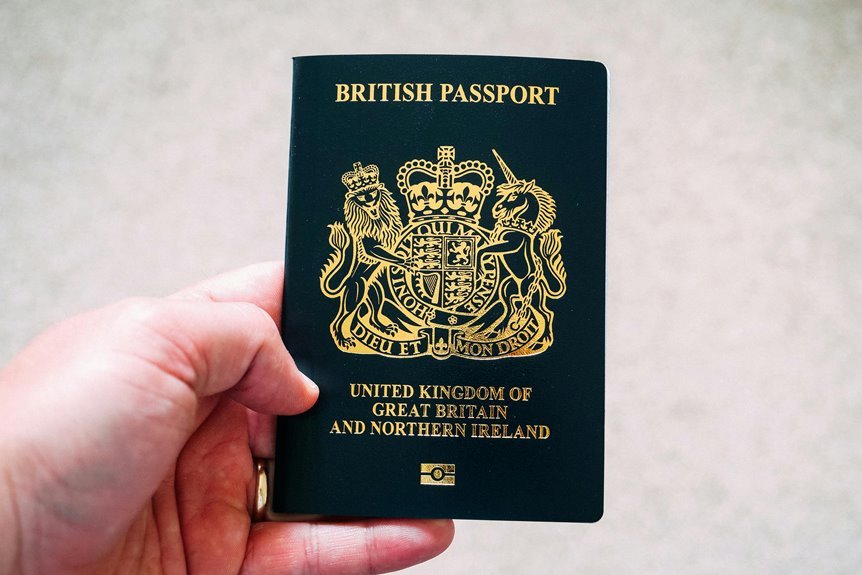
Proof of citizenship serves as a fundamental legal document confirming an individual’s status as a citizen. It encompasses various forms, such as birth certificates and passports, each providing essential verification. The significance of establishing proof of citizenship extends beyond legal recognition; it affects access to rights and opportunities within society. However, obtaining this proof can present challenges. Understanding these complexities is crucial for navigating the intricacies of citizenship verification.
Types of Proof of Citizenship
When individuals seek to establish their citizenship, they must provide various forms of proof that validate their status.
Essential types include birth certificates, which confirm a person’s place of birth and parentage, and naturalization documents, which indicate the process of acquiring citizenship for foreign nationals.
Both forms serve as foundational evidence of legal citizenship in the pursuit of individual rights and freedoms.
Importance of Proof of Citizenship
Proof of citizenship holds significant importance in establishing an individual’s legal identity and access to rights and privileges within a country.
It serves as a foundation for citizenship rights, ensuring individuals can participate fully in societal functions.
Furthermore, the legal implications of possessing proof of citizenship extend to voting, employment, and education, safeguarding individuals against discrimination and protecting their freedoms.
How to Obtain Proof of Citizenship
Obtaining proof of citizenship is a critical process that typically involves several key steps, ensuring that individuals can establish their legal status within a country.
The application process requires individuals to submit specific required documents, such as birth certificates, passports, or naturalization papers.
Adherence to guidelines and accurate documentation is essential for successful verification of citizenship, ultimately safeguarding individuals’ rights and freedoms.
Common Challenges and Solutions
Navigating the process of obtaining proof of citizenship can present several challenges, particularly for individuals unfamiliar with the requirements or lacking proper documentation.
Common issues include documentation issues that hinder application completion and legal hurdles that complicate the verification process.
Solutions often involve seeking assistance from legal experts or community organizations, which can provide guidance and resources to overcome these obstacles effectively.
Conclusion
In conclusion, proof of citizenship is an essential component of individual identity and societal participation. While some may argue that the process of obtaining such documentation can be cumbersome, the benefits far outweigh the challenges. Establishing citizenship not only safeguards personal rights but also fosters a sense of belonging and community engagement. By understanding the types, importance, and avenues for obtaining proof of citizenship, individuals can effectively navigate the system and secure their rightful status.